

Role: Marketing Communications Manager
Duration: August 2014–December 2016
When I joined Northwest Harvest as Marketing Communications Manager, Washington’s largest food bank ran its outward-facing work the way a lot of large nonprofits do: fundraising, communications, volunteer engagement, and advocacy each moving on its own track, each staffed by real people doing real work, almost none of it connected to the others. Donor acquisition costs were climbing, repeat donor growth was flat, and a statewide footprint wasn’t being used for much beyond delivering food. This was full-time employment, a decade before I founded Cedar Collaborative, not a Cedar Collaborative engagement.
Finding where the work overlapped
Nobody hired me to unify those teams. That’s not really how it worked, and it’s not how it could have worked, people who’ve run a program for years don’t hand over turf because an org chart says to. What actually happened took longer: getting to know each team on its own terms, understanding what they were already trying to do, and looking for the places where helping one team’s work also helped another’s. Advocacy took the longest to bring in, understandably, since it had always operated at more of a distance from fundraising and communications than the other functions had from each other. The rest came together faster than expected, mostly because nobody had really tried before.
New channels, without leaving donors behind
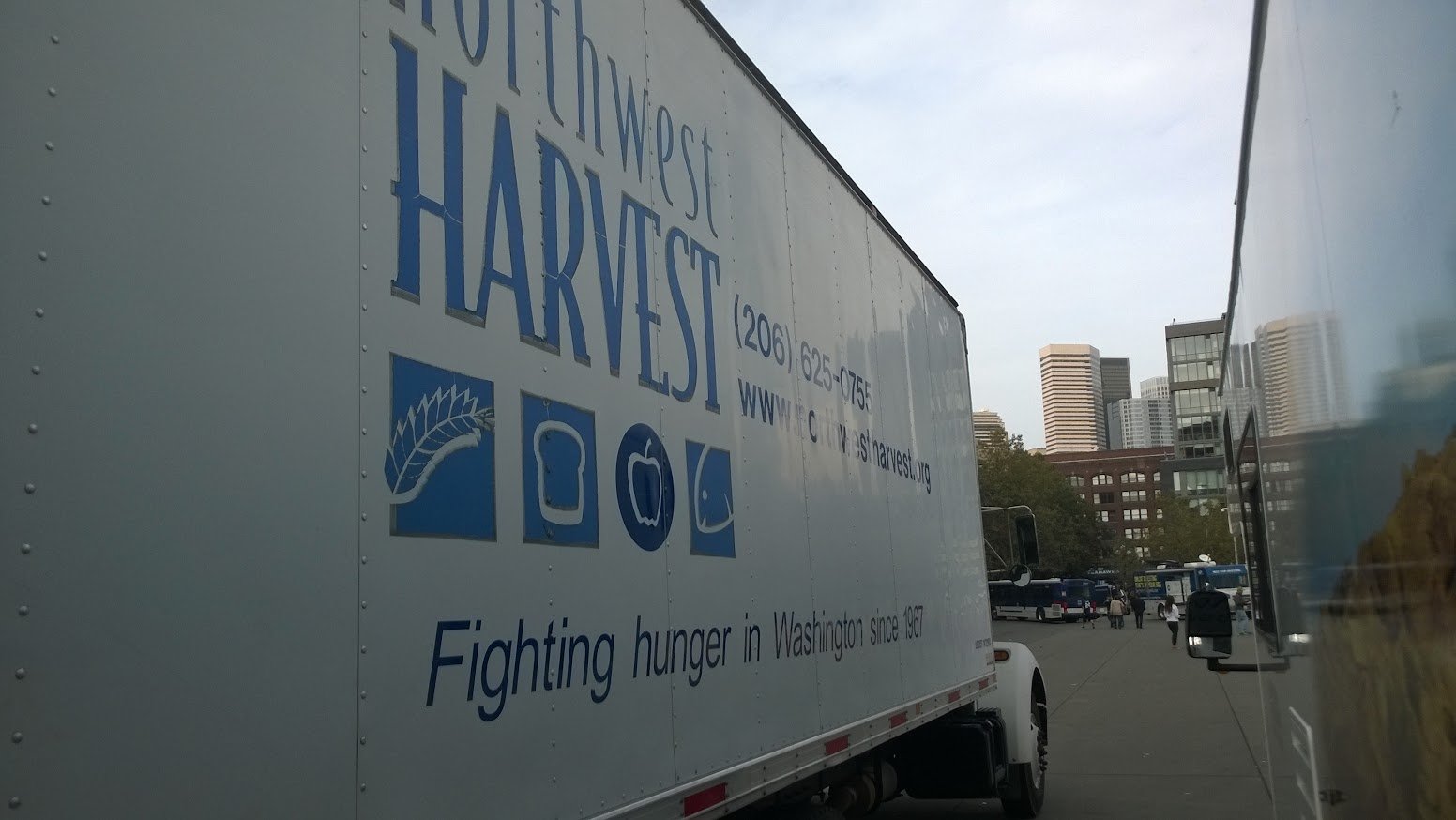
Channel modernization ran alongside that relationship-building, not ahead of it. We expanded into Instagram and stronger SEO while keeping the print and traditional media relationships that longtime donors still responded to, since abandoning one generation of supporters to chase another wasn’t the point. Partnerships with the Seattle Seahawks, local grocers, Washington banks, and regional media extended reach without adding real spend. The organization’s 50th anniversary became the moment it all came together: a statewide campaign built around celebration rather than the usual crisis appeal, on the theory that supporters can be moved by progress as well as by need. That turned out to be true. Even the brand refresh followed the same logic, extending to places nobody had thought to put it before, including a fleet of distribution vehicles that had been crossing the state for years without saying anything about who they belonged to.
What it added up to
None of this was dramatic on its own. Together, it added up to donor acquisition costs dropping by roughly 35%, repeat donor growth climbing more than 10% year over year, and a level of statewide visibility the organization hadn’t had before, especially among younger donors who’d never encountered Northwest Harvest through the channels that had worked for decades.
The lesson that stuck with me wasn’t really about marketing tactics. It was that integration is slower and more personal than an org chart implies. Adding headcount would have been the easy move, and probably the wrong one. What actually worked was spending enough time inside each team’s version of the mission to find where their goals already overlapped, then building the connective tissue by hand. It’s the same instinct behind every fractional engagement I take on now, though nobody at Northwest Harvest would have described it that way at the time. They just needed someone willing to become useful to five different teams instead of useful to one.