

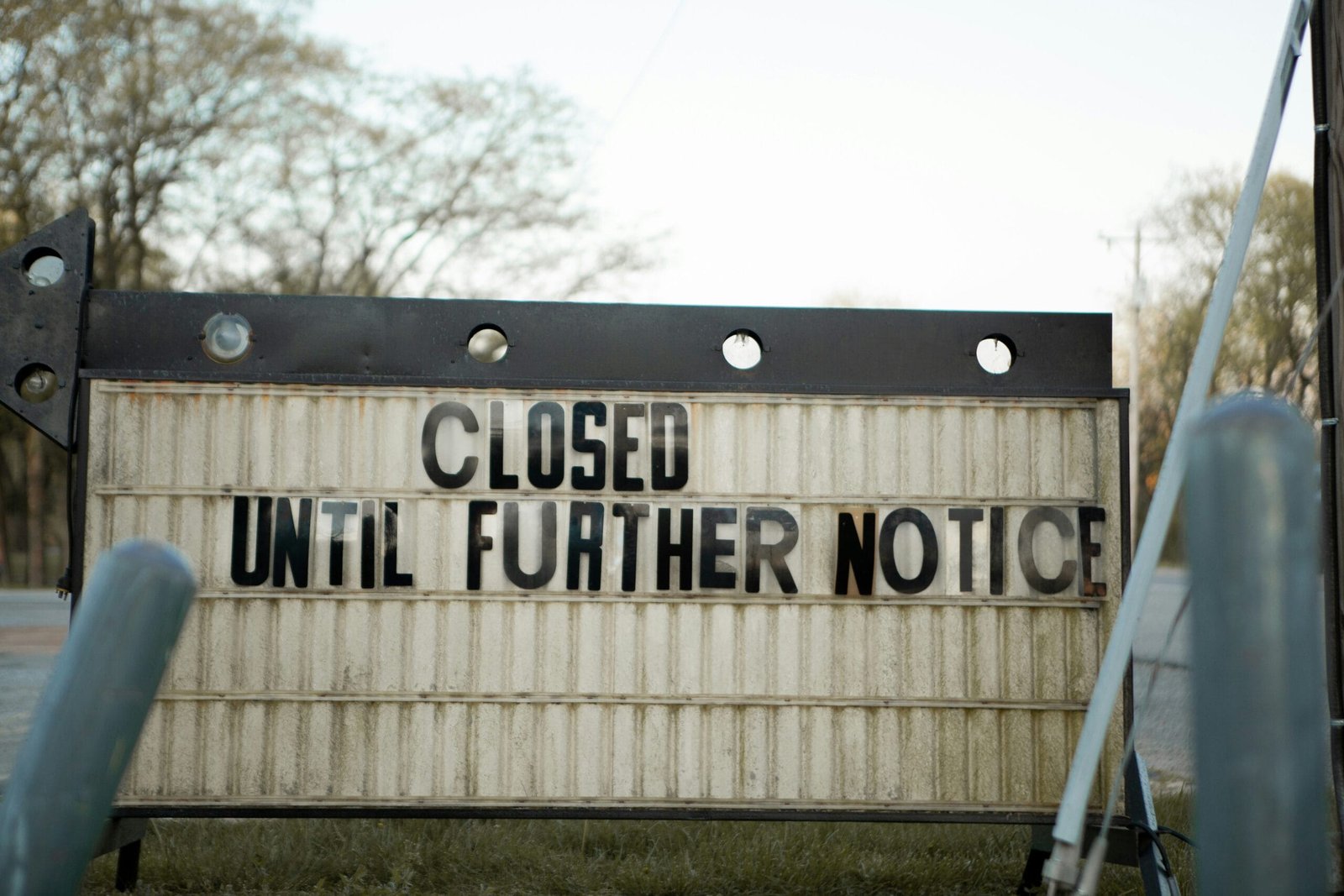
A payments partner POSaBIT depended on shut down without warning. I was on staff at the time, in a role built around growing a customer base, not shrinking one, in a young, fast-moving industry. Within days competitors were calling directly-signed customers, and leadership had to cut a real share of the customer, sales, and marketing team just to keep the company solvent. This is what that recovery actually looked like from inside it, from someone who was already there when it happened rather than a consultant brought in afterward.
The obvious move after a cut like that is retrenchment: freeze everything, wait it out, hope a smaller team can hold the line until conditions settle. That’s mostly not what happened, partly because there wasn’t time for it. Customers were already hearing from competitors that the company was in trouble, and silence would have confirmed that faster than the truth would have.
What the response actually amounted to was triage done honestly, more than any new strategy. Sales materials got rebuilt to be genuinely editable by a much smaller team instead of polished and static, since nothing about the market was going to hold still long enough to justify anything else. Customer and prospect communication stayed direct about what had happened rather than pretending the disruption hadn’t shaken anyone. And we watched competitors closely enough to know when they were bluffing about capability gains and when they weren’t, which mattered more day to day than any positioning document would have.
Some of what kept things moving was smaller technology doing work the reduced team no longer had hours for: automated check-ins standing in for an account manager who was no longer on staff, lead scoring doing a first pass so two remaining sales reps weren’t chasing everything with equal effort. None of that was glamorous. It just meant fewer things fell through a much smaller net.
None of it stopped the disruption from hurting. But the company held onto more of its customer base than the conditions would have predicted, and within a year it had shipped a new product built directly from what customers said during the roughest months, and was hiring again, this time with fewer blind spots about what actually needed a person and what a tool could carry on its own.
What that period actually tested wasn’t the recovery plan itself, plans are easy enough to write. It tested whether the story being told to customers and the story being told to the people still doing the work were actually the same story. I’ve watched that gap open at other companies since, in far less dramatic circumstances, and it tends to matter more than whatever’s written in the plan.